Our
Products
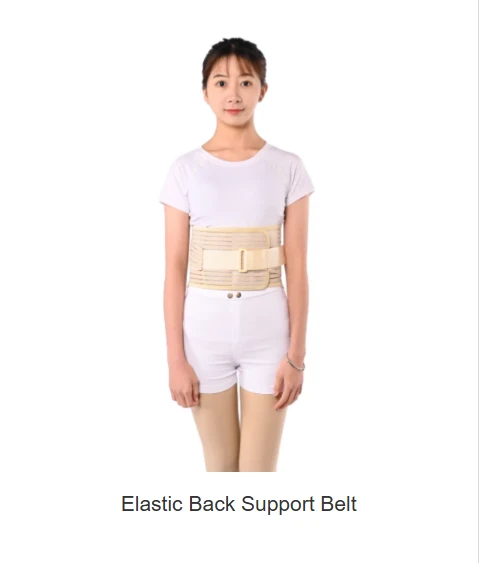
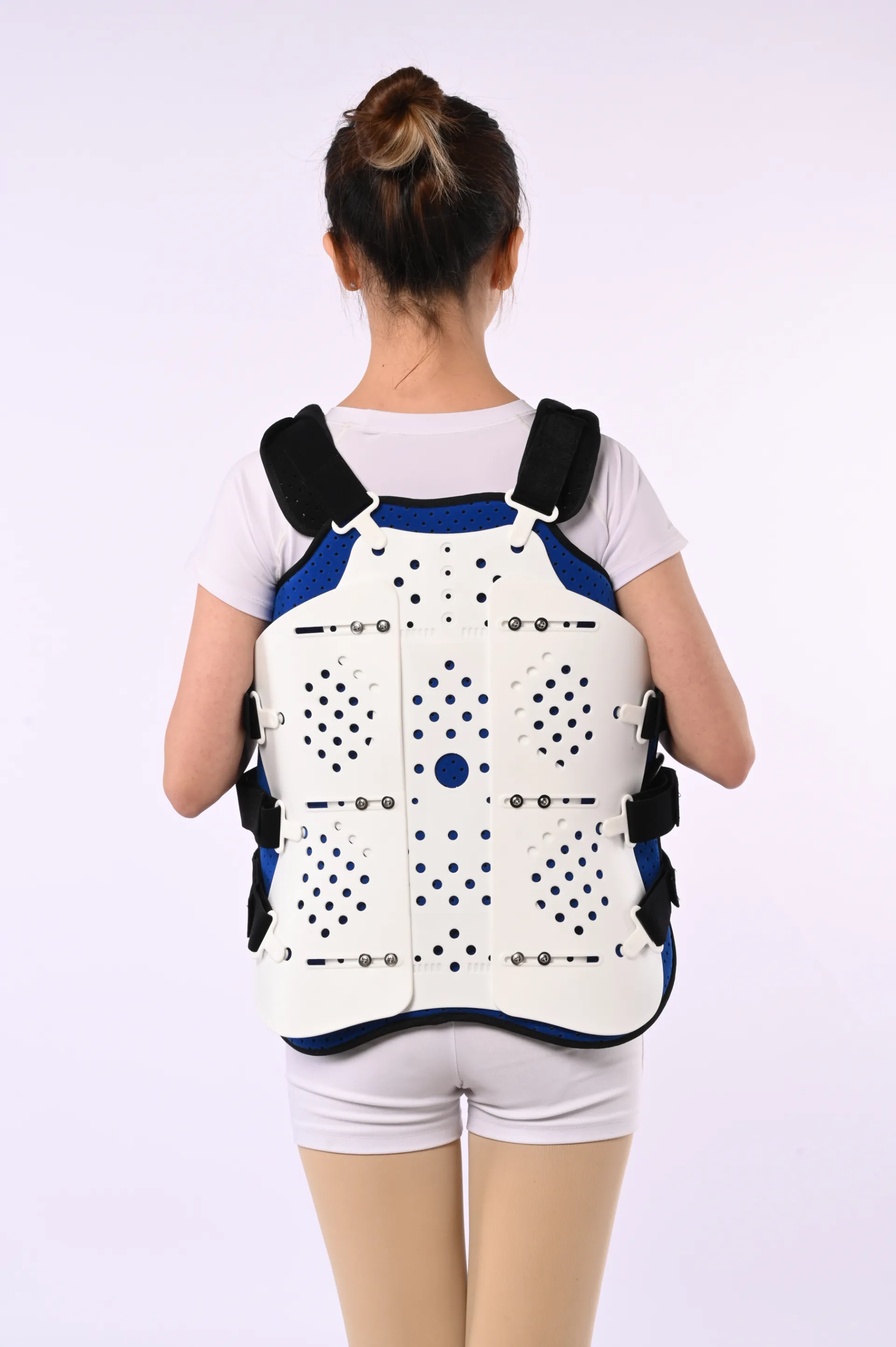
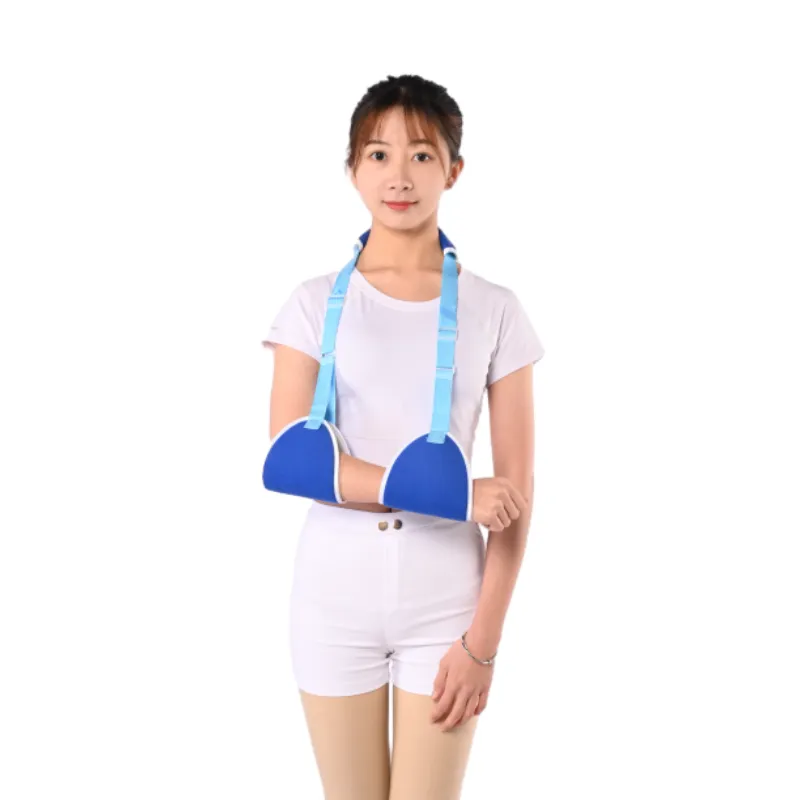
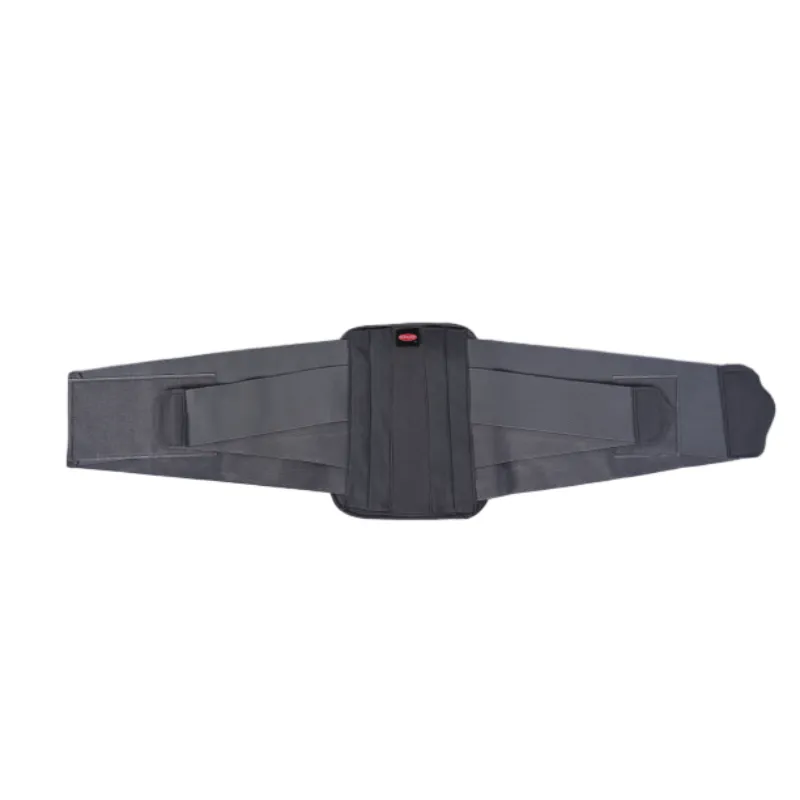

lower back belts
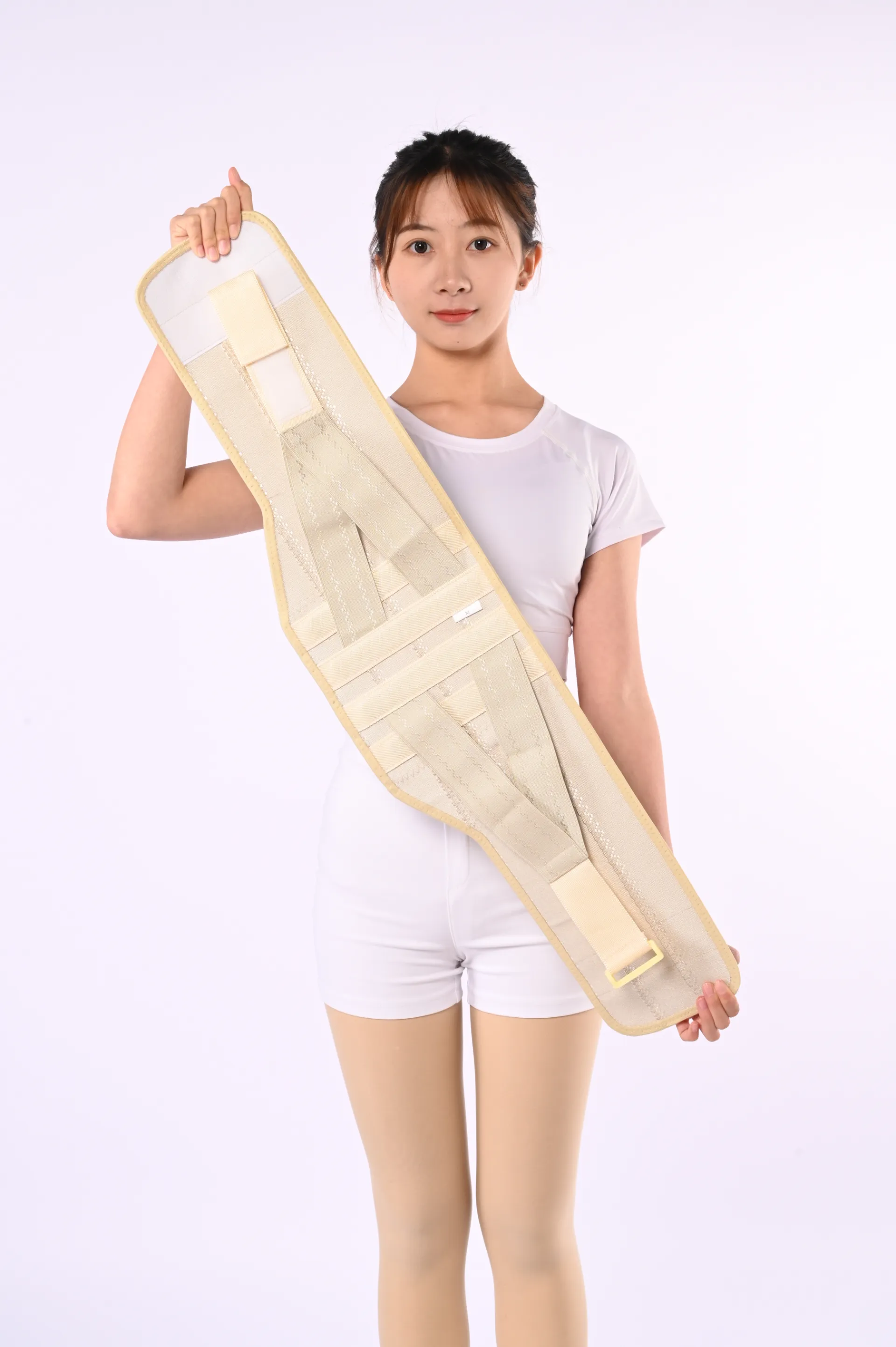
A Field Guide to Back Belts That Actually Help (from a Reporter Who’s Tried a Few) If you’re shopping for back belts for pain and feel overwhelmed, you’re not alone. I’ve covered workplace ergonomics and sports rehab for years, and, to be honest, the market is a maze: flashy claims, mixed clinical evidence, big promises. What consistently matters? Breathable materials, proper fit, and verifiable testing. Quick industry snapshot Ergonomic bracing has shifted toward lighter meshes, smarter fasteners, and—surprisingly—better heat and moisture management. Many customers say they want discreet support that works under a polo at work or with gym gear. Manufacturers, especially in Asia’s textile hubs, now test for compression consistency and fabric biocompatibility, not just “does it feel snug.” Meet the product: Lumbar Support (JH Orthopedic, Hebei, China) Crafted in No.240 Xingying West Street, Anping County, Hebei Province, the Lumbar Support uses a breathable mesh with ergonomic contouring for spinal alignment. In daily use it feels structured yet flexible—good for warehouse shifts, long drives, or desk marathons. And yes, it plays nicely with uniforms. Spec Details (≈ real‑world values) Materials Breathable polyester/nylon mesh, elastane, reinforced stays; skin-contact fabrics tested to ISO 10993 parts (biocompatibility) Support system 4 semi‑rigid stays + dual tension straps for targeted compression Compression Around 20–35 N adjustable; consistency ±10% after fatigue testing Breathability High-airflow mesh; moisture wicking; user-reported “cooler than neoprene” Fasteners Hook-loop (≈30,000 open/close cycles in lab) Sizing XS–3XL; custom grading available Service life ≈12–18 months of daily use (usage + washing dependent) How it’s made and tested (short version) Materials: low-friction mesh laminated to elastic panels; edges taped to prevent roll. Methods: CNC cutting, bartack reinforcement on stress points, curved stitching for lumbar contouring. Testing: ASTM D5034 tensile on straps; ISO 13934 fabric strength; ISO 10993 skin-contact; EN ISO 14971 risk management file; accelerated aging 70°C/96h; abrasion ASTM D4966; hook-loop cycles to ≈30k. Certs claimed by factory: ISO 13485 QMS; CE (Class I, MDR); FDA establishment registration (for applicable models). Internal sample data shows breathability improved ≈18% vs. older neoprene brace and compression drift Where it fits: work, sport, daily life For logistics teams, nurses, and auto-assembly lines, back belts for pain like this one are often part of a broader ergonomics program: training, lift aids, micro-breaks. For weekend lifters or gardeners, the adjustable tension helps during tasks that trigger flare-ups. Many users (and I’d agree) prefer lighter mesh for summer shifts. Customization options Branding, colors, private label packaging Stays: aluminum, composite, or flexible Pocket for heat/cold pack; extended belly band Fit tweaks for women’s torso geometry Vendor Certifications MOQ Lead Time Customization Indicative Price JH Orthopedic (Lumbar Support) ISO 13485, CE (Class I), FDA reg. ≈300 units 20–30 days High (logos, sizing, stays) Mid-range Vendor A (Marketplace) Basic factory ISO ≈50–100 7–15 days Limited Low Vendor B (Sports Brand) CE, brand QA N/A (retail) Stocked None High Real-world notes and mini case studies Regional DC, 120 staff: after adopting back belts for pain as part of training + lift aids, self-reported discomfort days dropped ≈22% in 3 months (not a clinical trial, but telling). Home health team: workers liked the mesh for summer routes; fewer complaints about overheating vs. neoprene models. Gym lifter: used it only for deadlift sets; reported better proprioception and “reminder not to over-arch.” Important: braces aren’t magic. They work best with movement coaching, micro-breaks, and load management. Still, a well-built brace can be that steady hand on your lower back when tasks ramp up. How to choose (fast checklist) Look for documented testing (ISO/ASTM), not just marketing. Breathable mesh for all-day wear; verify hook-loop cycle life. Adjustable tension + shaped stays for lordosis support. Check certifications: ISO 13485, CE, FDA registration where applicable. References NIOSH. Back belts: Do they prevent injury? DHHS (NIOSH) Publication No. 94-122. https://www.cdc.gov/niosh/docs/94-122/ Cochrane Review. Lumbar supports for prevention and treatment of low-back pain. Cochrane Database Syst Rev. https://www.cochranelibrary.com/ ISO 13485:2016 Medical devices—QMS. https://www.iso.org/standard/59752.html ISO 10993 series—Biological evaluation of medical devices. https://www.iso.org/standard/68936.html EN ISO 14971:2019 Medical devices—Risk management. https://www.iso.org/standard/72704.html ASTM D5034—Textile Grab Test. https://www.astm.org/d5034
Why Choose Us



Read
Our
Blog

No.240 Xingying West Street,Anping County,Hebei Province,China


Have a question? Keep in touch.


Copyright © 2025 Hebei
Jianhang
Technology
Co.,Ltd.
All Rights Reserved. Privacy Policy


